ISOCARP 2025: Reflections from Riyadh on Place-Based Regenerative Planning
ISOCARP 2025: Reflections from Riyadh on Place-Based Regenerative Planning
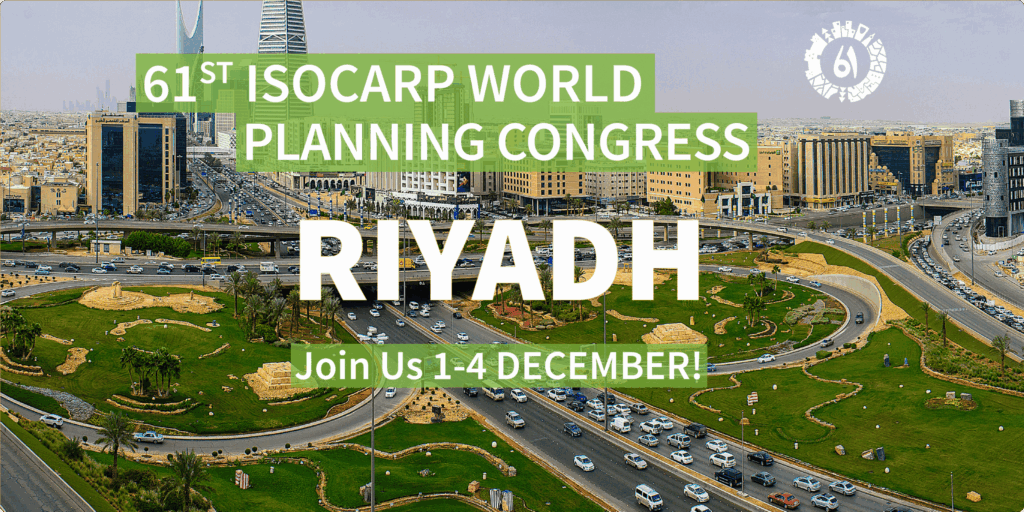
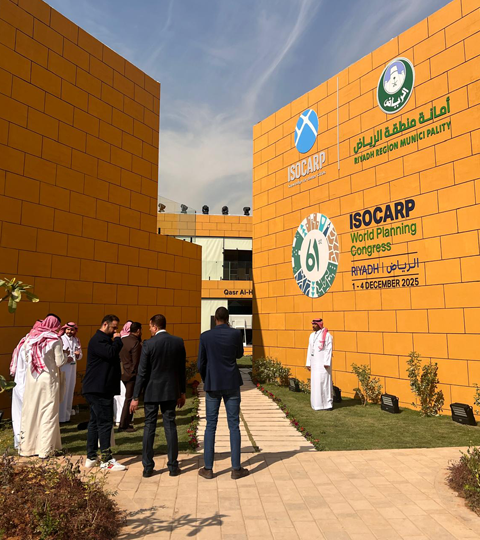
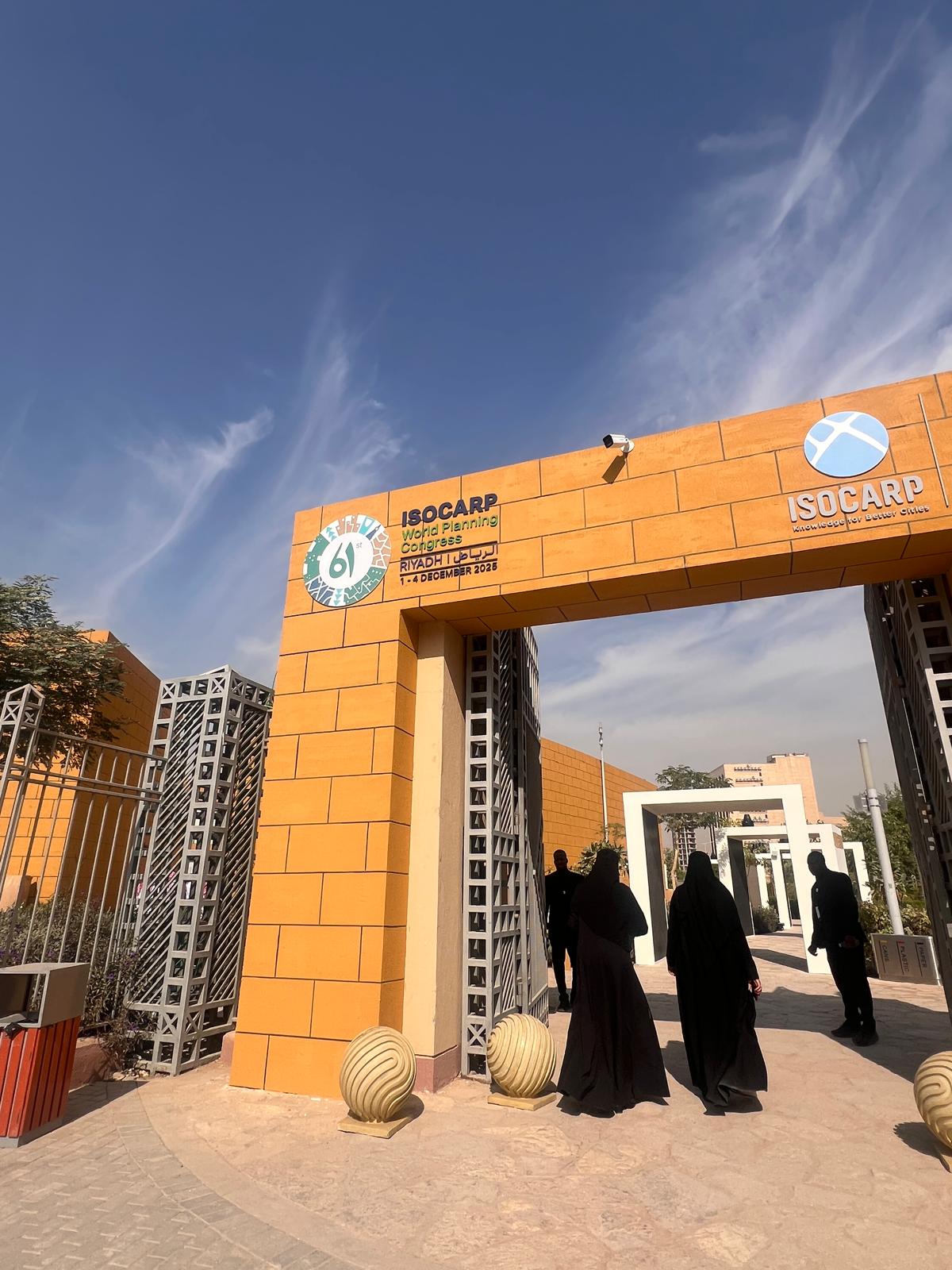
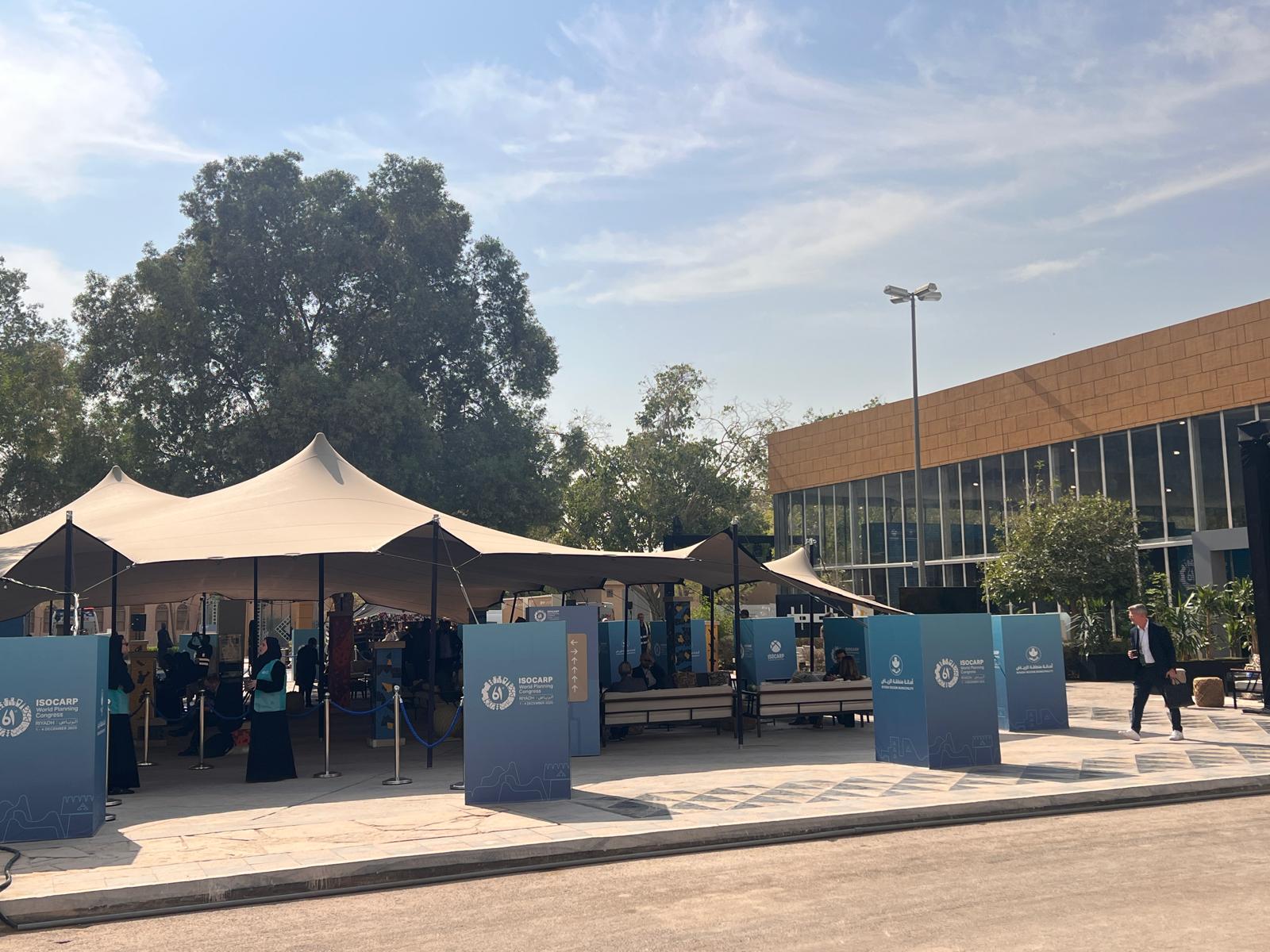
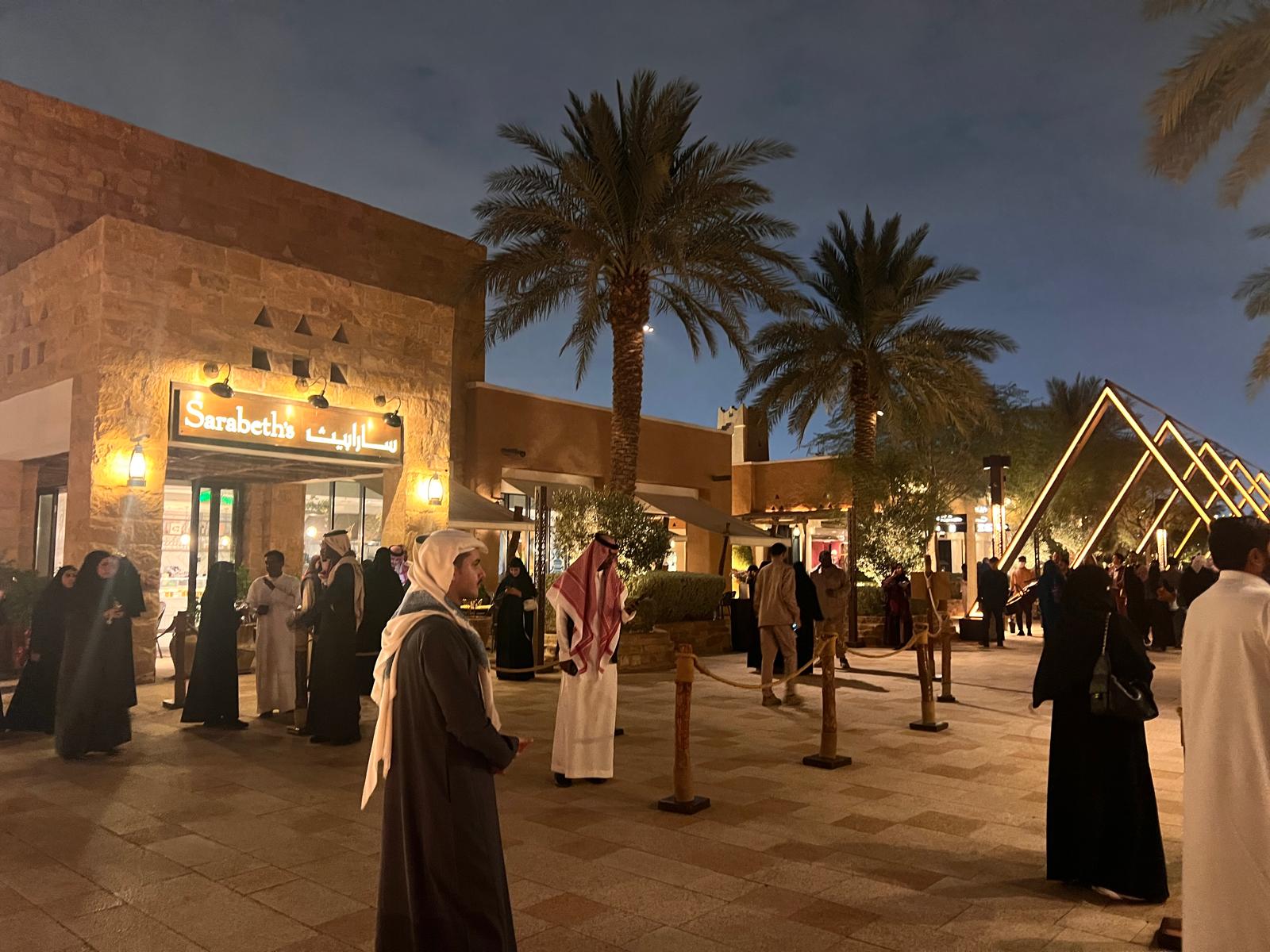
In early December 2025, I presented a paper at the 61st ISOCARP World Planning Congress in Riyadh, Saudi Arabia, my first time attending this global gathering of urban planners, policymakers, and thought leaders. The paper, titled “From Crisis to Regeneration: A Regional Planning Model for Integrated Urban–Bioregional Resilience in the Philippines,” was accepted under Track 1: Sustainable Urban Growth in a World of Multiple Crises. The track explored how cities can respond to overlapping crises (climate change, post-conflict recovery, rapid urbanization, environmental degradation, and social inequity) through sustainable growth strategies that prioritize resilience and quality of life.
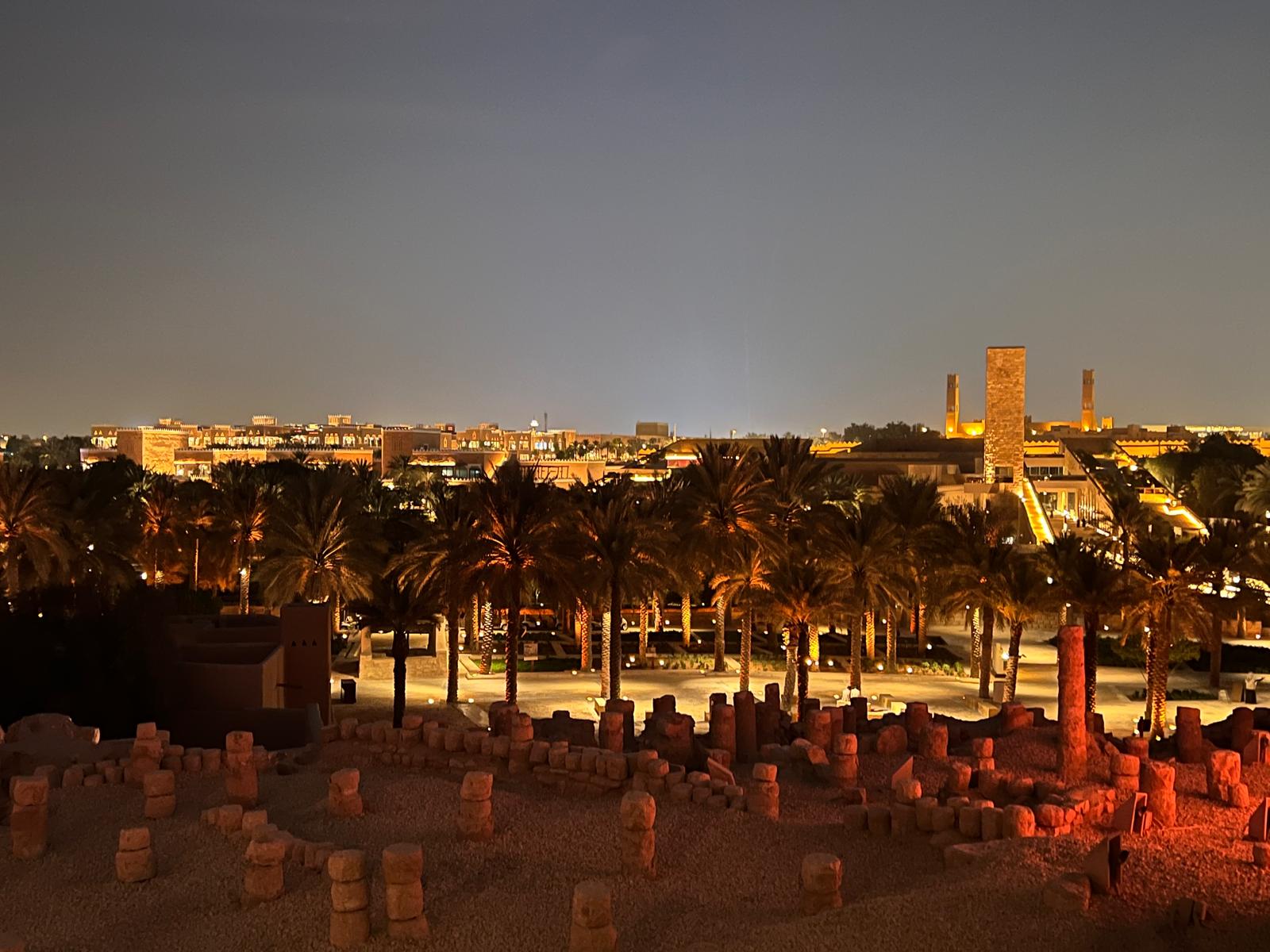
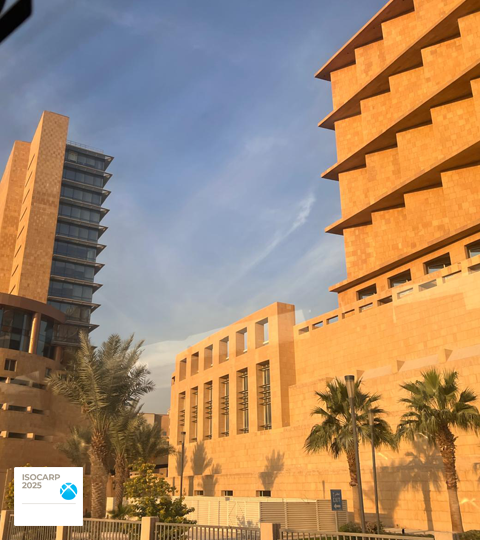
Riyadh: A City in Transformation
Riyadh itself proved to be a fitting backdrop for these discussions. The city is undergoing a remarkable transformation driven by Saudi Arabia’s Vision 2030, the national development plan that emphasizes sustainable urban development and environmental innovation. The evidence is visible everywhere: the Green Riyadh Initiative alone aims to plant 7.5 million trees by 2030, raising per capita green space from 1.7 to 28 square meters (a sixteenfold increase). The city is also developing one of the world’s largest aviation hubs and implementing the Riyadh Metro as part of massive infrastructure modernization efforts.
It’s no surprise, then, that Riyadh is positioned to host major global events. The city was recently selected to host World Expo 2030 (running from October 2030 to March 2031), with the theme “Foresight for Tomorrow” and sub-themes of Transformational Technology, Sustainable Solutions, and Prosperous People. The Expo is expected to welcome 197 countries and over 40 million visits, representing the culmination of Vision 2030’s ambitious sustainability goals. ISOCARP’s choice to convene here reflects Riyadh’s emergence as a serious player in the global conversation on urban resilience and sustainable development.
The Congress Theme: Planning Pathways to Resilience and Quality of Life
The congress theme, “Cities & Regions in Action: Planning Pathways to Resilience and Quality of Life”, felt especially timely given the urgent challenges facing cities around the world. In countries like the Philippines and many parts of the Global South, issues like flooding are no longer just inconveniences; they’re questions of survival. Recent flooding events worldwide have made this abundantly clear.
But flooding is just one facet of a complex crisis landscape. In my session on Sustainable Urban Growth in a World of Multiple Crises, the range of challenges presented was striking. Papers addressed post-conflict reconstruction in border towns like Al-Siba, Iraq, where urban planning becomes a peacebuilding tool; participatory densification in Amsterdam’s Wildemanbuurt, where community engagement doubled housing while improving liveability; high-intensity development challenges in China’s densely packed urban districts; and insurgent cities across the Global South confronting displacement and informality. Each presenter brought case studies from vastly different contexts, each grappling with unique sets of converging pressures, yet all searching for sustainable pathways forward.
The Question of Standards vs. Place-Based Solutions
One of the most illuminating moments came during the Q&A session, when the moderator asked whether there should be global standards for planning or sustainability to guide all these varied contexts. Almost all the speakers agreed: no. The challenges, characteristics, and capacities of each place are simply too different. A one-size-fits-all approach—particularly the Western-developed “green” building rating systems often applied in Asia—fails to account for vastly different climates, cultures, economies, and ecologies.
This critique of standardized approaches resonated deeply with my own work. The green building standards developed for temperate climates make little sense in tropical archipelagos. The economic assumptions embedded in Western planning models don’t translate to contexts where informal economies dominate. The social structures that underpin community engagement look entirely different in collectivist versus individualist cultures.
What became apparent through the case studies presented at ISOCARP is the need for a new set of principles (not prescriptive standards, but guiding frameworks) that enable holistic, place-based master planning and development.
Yet the absence of universal standards doesn’t mean chaos. What became apparent through the case studies presented at ISOCARP is the need for a new set of principles (not prescriptive standards, but guiding frameworks) that enable holistic, place-based master planning and development. These principles would help planners extricate themselves from conventional Euclidean zoning and arrive at solutions so precisely calibrated to local conditions that they function almost like blueprints emerging organically from the place itself.
This is exactly what we’ve been developing in the Philippines through our work in Region VII—a Living Systems approach that designs integrated, holistic systems tailored to specific bioregional realities. Our framework prioritizes understanding the unique story of each place: its hydrology, ecology, culture, economy, and social structures. From Bohol’s watershed-driven permaculture systems to Metro Cebu’s riverine-integrated neighborhoods, each intervention responds to the specific convergence of opportunities and challenges at that location.
The Funding Gap: Where Habstone Comes In
But here’s the challenge that lingers: even when we develop brilliant place-based solutions, how do we fund them? Conventional funding models are either sector-specific (funding only “agriculture” or only “infrastructure”) or technology-specific (investing in “solar” or “green buildings”). These siloed approaches fundamentally misunderstand how regenerative systems work. They can’t support the integrated, cross-sector interventions that places actually need to become climate-resilient.
This is precisely where Habstone’s investment approach becomes critical, and timely. We don’t invest in specific green technologies or isolated sectors. We invest in what each place uniquely needs to become climate-resilient and regenerative, whatever combination that may be: nature-based solutions coupled with real estate models, regenerative tourism integrated with ecosystem restoration, bamboo agroforestry linked to circular economy networks, or marine conservation embedded into hospitality infrastructure.
The diversity of challenges presented at ISOCARP makes clear that the need for place-based, integrated funding is both urgent and global. Each place requires a bespoke combination of interventions, yet current investment structures can’t accommodate this reality.
But I'm optimistic
Yani
Looking Forward
Leaving Riyadh, I was struck by a paradox: the planning community has never been more aware of the need for place-specific, holistic solutions, yet our institutional and financial systems remain stubbornly siloed and standardized. The gap between what planners know we need to do and what existing structures allow us to fund represents perhaps the greatest barrier to resilience.
But I’m optimistic. Events like ISOCARP demonstrate a global community that’s actively rethinking planning paradigms, sharing experimental approaches, and learning from diverse contexts. Riyadh’s own transformation (from a desert city to a green urban laboratory) shows what’s possible when vision, resources, and political will align.
The challenge ahead is bringing investment models into alignment with what planners increasingly understand: that resilience emerges from integrated, place-specific strategies rather than standardized solutions.